Color/Pattern
Special Traits
Body Type
Coat Type
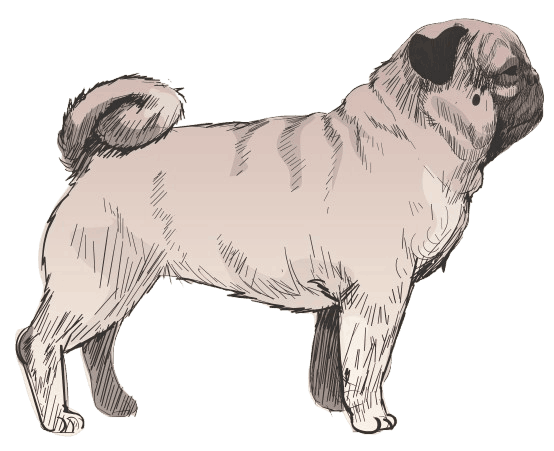
Pugs dislike being left alone for long periods.
₹212.00 – ₹254.00Price range: ₹212.00 through ₹254.00
₹1,058.00 – ₹1,271.00Price range: ₹1,058.00 through ₹1,271.00
₹280.00 – ₹509.00Price range: ₹280.00 through ₹509.00
Currently, no products are tagged for this specific breed. Check out our general pet supplies!
Pugs have moderate energy levels.
Due to their flat face, they can overheat easily.
₹440.00 Original price was: ₹440.00.₹387.00Current price is: ₹387.00.
₹1,450.00 – ₹2,111.00Price range: ₹1,450.00 through ₹2,111.00
₹270.00 Original price was: ₹270.00.₹238.00Current price is: ₹238.00.
₹689.00 Original price was: ₹689.00.₹580.00Current price is: ₹580.00.
Healthy weight management is crucial for joint and breathing health.
₹2,750.00
₹494.00 – ₹2,960.00Price range: ₹494.00 through ₹2,960.00
₹199.00 – ₹1,280.00Price range: ₹199.00 through ₹1,280.00
₹277.00 – ₹2,770.00Price range: ₹277.00 through ₹2,770.00
They shed moderately throughout the year.
₹699.00 Original price was: ₹699.00.₹599.00Current price is: ₹599.00.
₹799.00 Original price was: ₹799.00.₹649.00Current price is: ₹649.00.
₹375.00 Original price was: ₹375.00.₹309.00Current price is: ₹309.00.
₹550.00 Original price was: ₹550.00.₹275.00Current price is: ₹275.00.
₹1,195.00 Original price was: ₹1,195.00.₹956.00Current price is: ₹956.00.
₹893.00 – ₹920.00Price range: ₹893.00 through ₹920.00
₹1,356.00 – ₹1,600.00Price range: ₹1,356.00 through ₹1,600.00
₹1,395.00 Original price was: ₹1,395.00.₹1,256.00Current price is: ₹1,256.00.
No Specific blogs found for this breed yet. Check out our blogs!
Enter your log in details