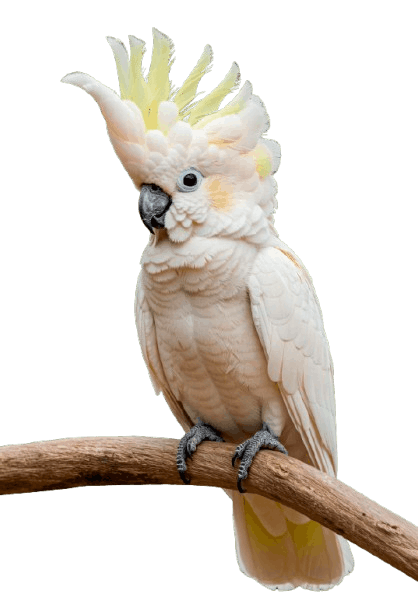
Cockatiel
Gentle & Expressive
Small
15–20 Years lifespan
80–120 grams
30–33 cm
Moderate to High Energy
Excellent Trainability
Small Parrot Group
Grey, white, lutino (yellow), pied, pearl
Color/Pattern
Crest feathers, whistling ability, affectionate temperament
Special Traits
Slim, long-tailed, lightweight
Body Type
Soft, smooth plumage
Feather Type
Cockatiel Temperament & Nature
- Friendly and gentle
- Intelligent and curious
- Affectionate with owners
- Playful but calm
- Sensitive to environment
Cockatiels are emotionally expressive birds. They enjoy companionship and may become lonely if left alone for long periods.
Energy & Exercise Needs
Cockatiels require daily stimulation but are not overly hyper.
- Supervised out-of-cage time
- Perches and swings
- Interactive toys
- Whistle and sound interaction
Regular activity keeps them mentally sharp and physically healthy.
🎾 Best toys for Cockatiel
Diet & Nutrition Guide
A balanced diet ensures long-term vitality.
- High-quality pellets or seed mix
- Fresh vegetables (spinach, carrots, broccoli)
- Limited fruits
- Calcium source (cuttlefish bone)
- Fresh, clean water daily
Avoid chocolate, avocado, caffeine, and salty foods.
🍽️ Recommended food for Cockatiel
Aquarium Care Tips
- Clean cage weekly
- Replace water daily
- Trim nails if necessary
- Provide bathing opportunity
- Ensure proper ventilation and natural light
Cockatiels benefit from a clean, stress-free environment.
Cockatiel Health Guide by Age
Chick (0–6 Months)
- Warm, safe environment
- Balanced growth diet
- Gentle socialization
- Early bonding sessions
Adult (6 Months–10 Years)
- Balanced nutrition
- Daily exercise
- Regular cage hygiene
- Annual avian vet checkup
Senior (10+ Years)
- Softer food if needed
- Monitor weight and mobility
- Routine health screenings
- Calm and comfortable habitat
🩺 Nearby vets for Cockatiel owners
Avian Internal Medicine & Preventive Care
Monday to Saturday
Delhi NCR
₹700 – ₹1,000 per consultation