Lorikeet
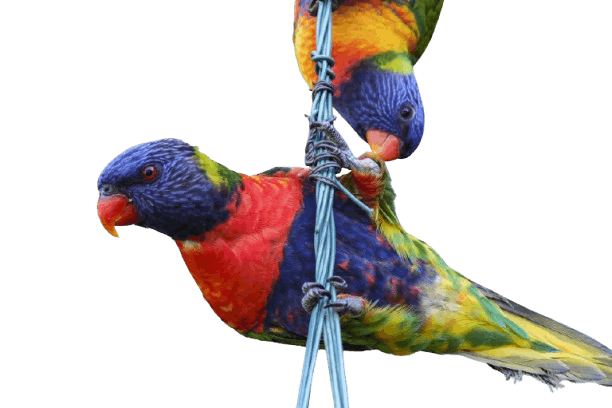
Colorful & Energetic
Medium
15–25 Years lifespan
75–150 g
18–30 cm
Very High Energy
Good Trainability
Medium Parrot Group
Green body, blue head, red/orange chest (varies by species)
Color/Pattern
Brush-tipped tongue, nectar diet, vibrant multi-color feathers
Special Traits
Slender, long-tailed
Body Type
Smooth, glossy plumage
Feather Type
Lorikeet Temperament & Nature
- Highly energetic and playful
- Social and interactive
- Intelligent and curious
- Can be noisy and active
- Thrive on daily engagement
Lorikeets need frequent interaction and mental stimulation to stay happy.
Energy & Exercise Needs
- Spacious cage with climbing space
- Daily supervised out-of-cage time
- Interactive toys and swings
- Flight opportunities
They are constantly moving and require an enriched environment.
🎾 Best toys for Lorikeet
Diet & Nutrition Guide
Lorikeets have unique dietary needs:
- Specialized nectar mix
- Fresh fruits (apple, papaya, melon)
- Limited vegetables
- Fresh clean water daily
Avoid seed-heavy diets, processed foods, chocolate, and avocado.
🍽️ Recommended food for Lorikeet
Aquarium Care Tips
- Clean cage frequently (nectar diet can be messy)
- Provide bathing opportunities
- Rotate toys regularly
- Maintain hygienic feeding bowls
- Ensure proper ventilation
Their liquid diet requires extra cage cleanliness.
Lorikeet Health Guide by Age
Young (0–2 Years)
- Balanced nectar-based diet
- Social bonding
- Safe environment
Adult (2–15 Years)
- Daily exercise
- Mental stimulation
- Annual vet visits
Senior (15+ Years)
- Softer nectar diet
- Reduced stress
- Frequent health monitoring