Zebra Finch
Small & Social
Small
5–9 Years lifespan
12–15 grams
10–11 cm
Active Energy
Low (not hands-on tame) Trainability
Estrildidae Group
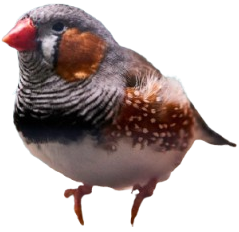
Gray with orange cheek patches (male), white, fawn, pied variations
Color/Pattern
Males sing; females are quieter
Special Traits
small passerine
Body Type
Soft, smooth, close-fitting feathers
Feather Type
Zebra Finch Temperament & Nature
- Social and group-oriented
- Gentle and non-aggressive
- Active and curious
- Males are melodic singers
- Prefer companion birds over solo living
They are best kept in pairs to prevent loneliness.
Energy & Exercise Needs
Zebra Finches are active and energetic small birds that require daily movement.
- Spacious cage for short flights
- Horizontal space is more important than height
- Perches at different levels for hopping
- Safe out-of-cage time (if trained)
- Companionship — they thrive in pairs or groups
Regular activity keeps them physically fit, mentally stimulated, and socially happy.
🎾 Best toys for Zebra Finch
Diet & Nutrition Guide
- High-quality finch seed mix
- Fresh greens occasionally
- Egg food during breeding
- Fresh water daily
🍽️ Recommended food for Zebra Finch
Aquarium Care Tips
- Provide a wide cage for flying space
- Offer a shallow water dish for bathing
- Clean cage base daily
- Provide cuttlebone for calcium
- Keep away from cold drafts
Zebra Finch Health Guide by Age
Young (0–6 Months)
- Balanced diet for growth
- Keep warm and stress-free
- Observe feeding habits
Adult (6 Months–5 Years)
- Regular cage cleaning
- Proper pairing
- Monitor weight and feather condition
Senior (5+ Years)
- Softer foods if needed
- Reduce stress
- Routine health checks
🩺 Nearby vets for Zebra Finch owners
Avian Internal Medicine & Preventive Care
Monday to Saturday
Delhi NCR
₹700 – ₹1,000 per consultation
Exotic & Companion Bird Specialist
Monday to Saturday
Mumbai, Maharashtra
₹900 – ₹1,500 per consultation